
Correct and Untouchable
On hunger, self-control, and the things we use to avoid ourselves.
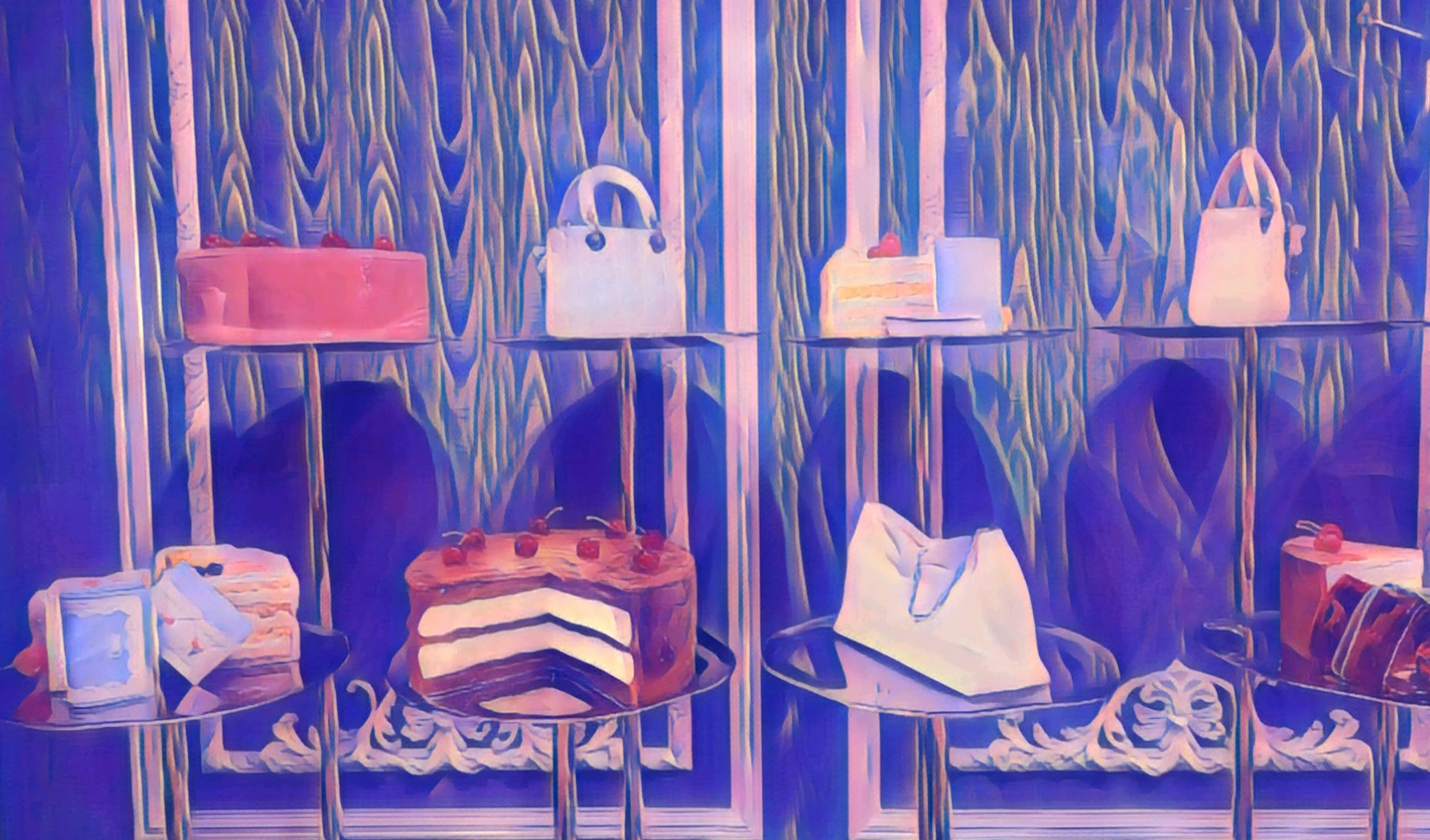
Image Photographed and Curated by Carla Monroy
The Weight Returns
I’ve started to put the weight back on again. I can feel it in the way my sports bras are beginning to fit slightly snugger. My boob starts to accumulate a muffin top, curling over the edge of my bra’s waistband. A bit more uncomfortable.
That’s when I know I’ve started to avoid things in my life that I don’t want to face. It is when discipline starts slipping from my fingers. I begin to snack too much. Mindlessly grabbing a cookie and eating the whole thing when no one is looking. Walking by a street vendor and buying an ice cream when I know it’s the last thing I need.
It’s avoidance. It’s also indulging in the simplicity of a warm hug for a moment, and then a hard 60-minute run in the heat, just to burn it off.
I’ve been on both ends of the eating spectrum. Where I’ve indulged too much and watched myself expand. I’ve also experienced the opposite end where I have not had a morsel of solid food in days. The first three days are torture, the fourth day is utter bliss as the lightness (kind of like an enlightenment) starts to take effect. You feel happy and alive, and your clothes start to fit more loosely. You start feeling yourself. Your skin begins to sparkle.
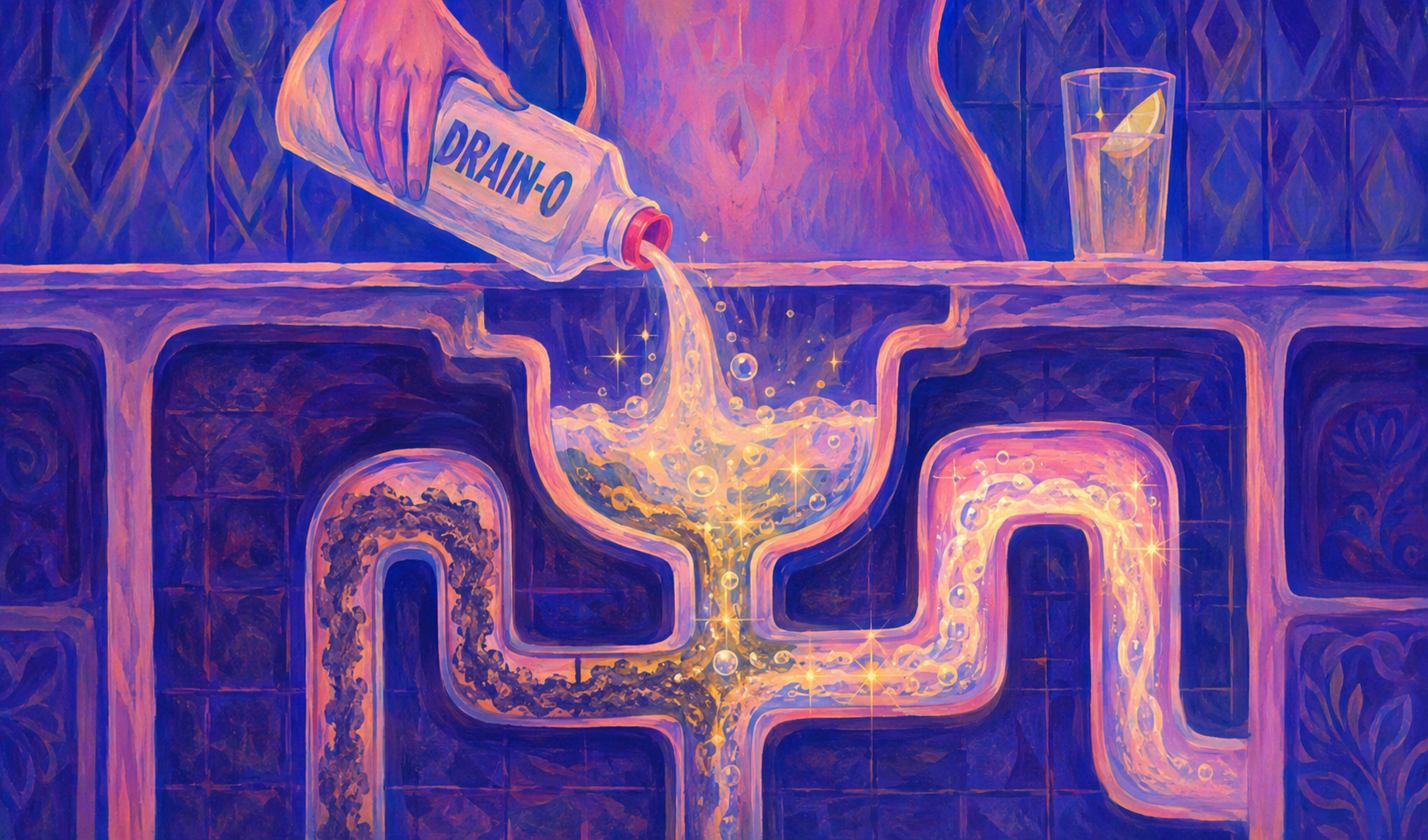
Image Co-Created with AI
Correct and Untouchable
Food restriction, or something like the master cleanse, can feel akin to cleaning your body’s kitchen pipes with draino. You suddenly realize you can think clearly and you’re less distracted and that’s when you start to question…is food really the enemy?
On a recent episode of the podcast Diabolical Lies, an episode appropriately titled, Is There a ‘Skinny Apocalypse’ in Hollywood, Katie and Caro, the show’s hosts were diving deep into eating disorders. Sharing that only women with eating disorders were accepted into treatment in the 90’s; and while men did make up a percentage of eating disorders back then, when men sought treatment, they were often turned away.
My reason for bringing this up isn’t really to discuss eating disorders, but to share a comment left by one of the show’s listeners:
In physically suffering through the initial pain of separating the mind from the body, in the early stages of anorexia, where you are just starting to restrict, you eventually reach a sense of enlightenment, and the baseness, the carnality, the animalism, the traumatic experiences of the body which we deem so disgusting are finally conquered. It’s very carceral and fascistic, this is where the sexlessness of it all came in for me. By disconnecting from the most basic needs of humanity, literally sustenance, I was personally able to experience feeling something that I thought was better than sexuality, sensuality, or embodiment. I was able to experience feeling correct and utterly untouchable.
Describing the satisfaction of control akin to the effects of a drug. Not eating becomes addicting. The sense of power in control becomes intoxicating. You keep pushing the boundaries to see how much longer you can go without putting anything in your mouth.
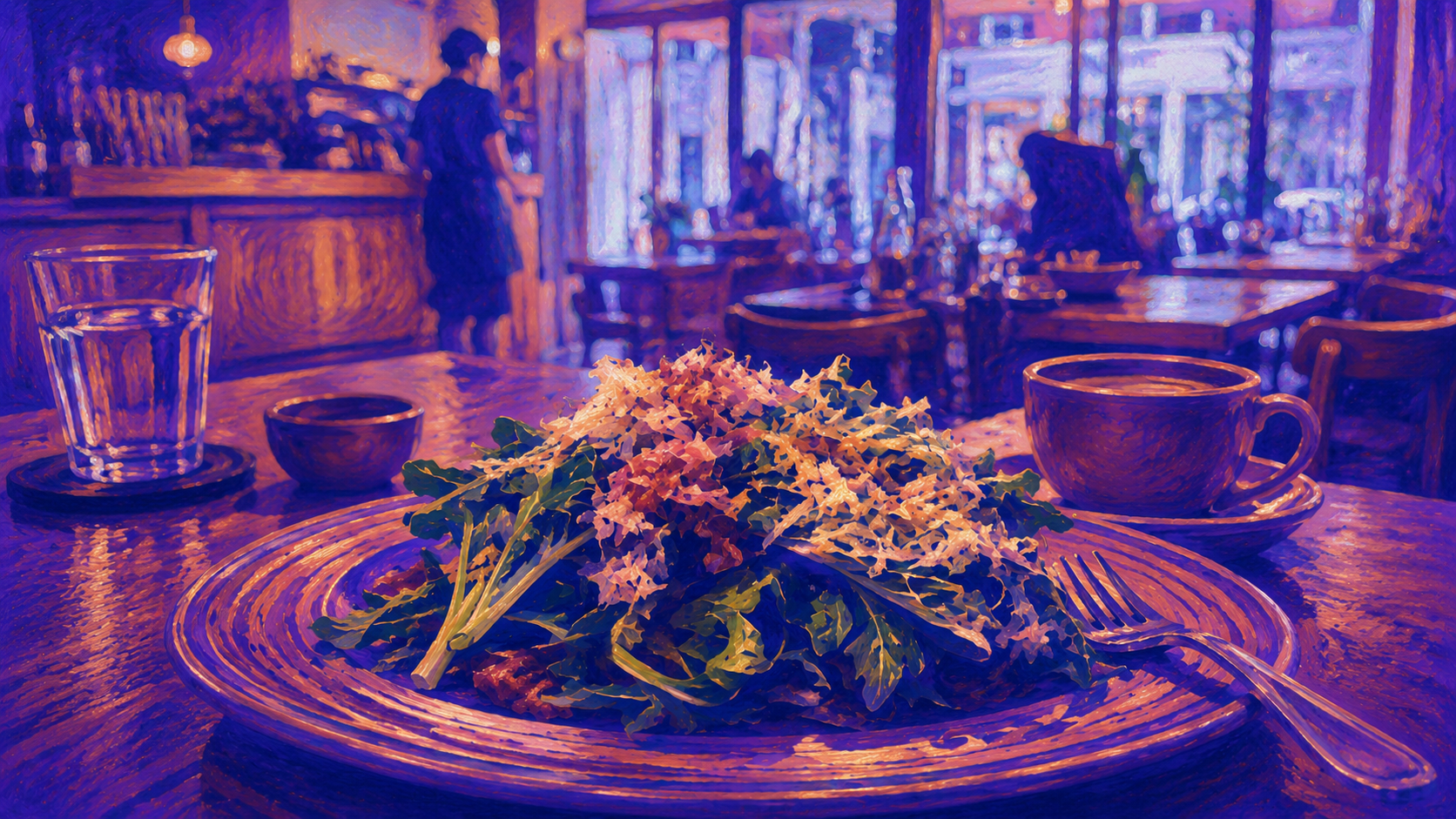
Image Photographed and Curated by Carla Monroy
Hunger Was Never the Problem
I can somewhat relate and maybe more than I’d like to admit. Not because I have anorexia, or because I want to disappear, but because I understand the appeal of feeling untouchable and why someone might mistake control for freedom.
Control feels good because it convinces you that nothing can touch you. You become someone that you respect, someone who can do hard things and that starts to shape your identity.
Maybe that's why the metaphor persists. We talk about being hungry for success, hungry for recognition, hungry for more. Hunger implies motion. Satisfaction, on the other hand, can look like complacency.
It is then that I realize food was never the enemy. The enemy was avoidance. Food was simply the thing I used to soften its edges. Hunger sharpens everything. Which is why it can feel so powerful. And why I (or maybe all of us) have to be careful not to mistake that feeling for freedom.
What about you? Have you ever mistaken control for freedom? I'd love to hear your thoughts in the comments.
If this sounds like your kind of conversation, consider subscribing. I'm building something deeper here, one essay at a time.
